

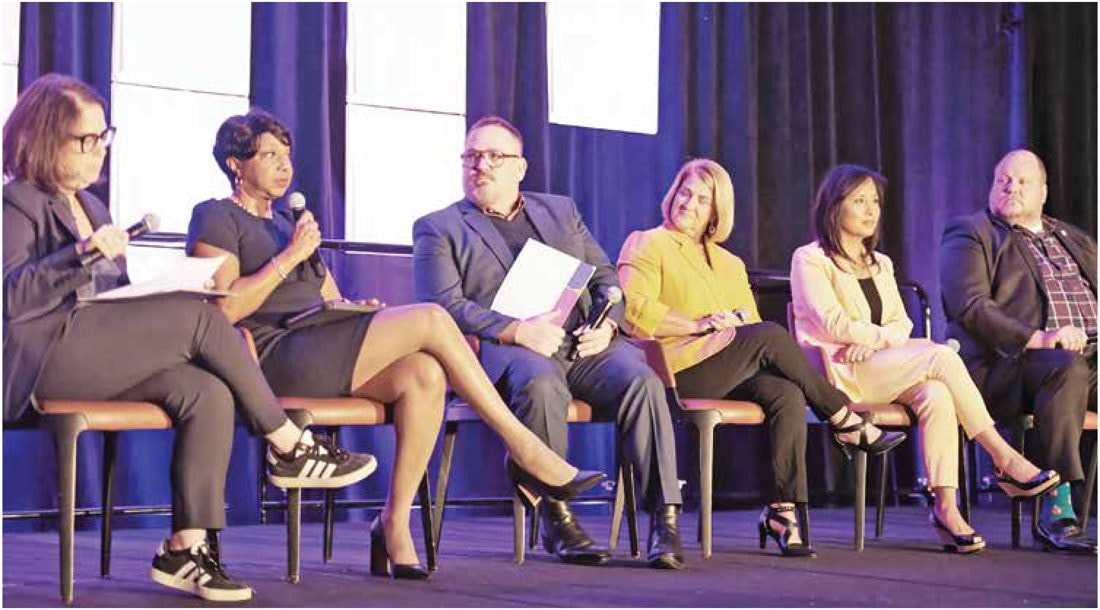
On a cold summer afternoon in New Orleans, the general session hall of the 2023 WBENC Annual Conference buzzed with energy. Attendees filled the room ahead of a Tyson Foods executive sharing the story of Pamela Prince-Eason — a woman who had spent decades quietly reshaping what supplier diversity looked like in corporate America.
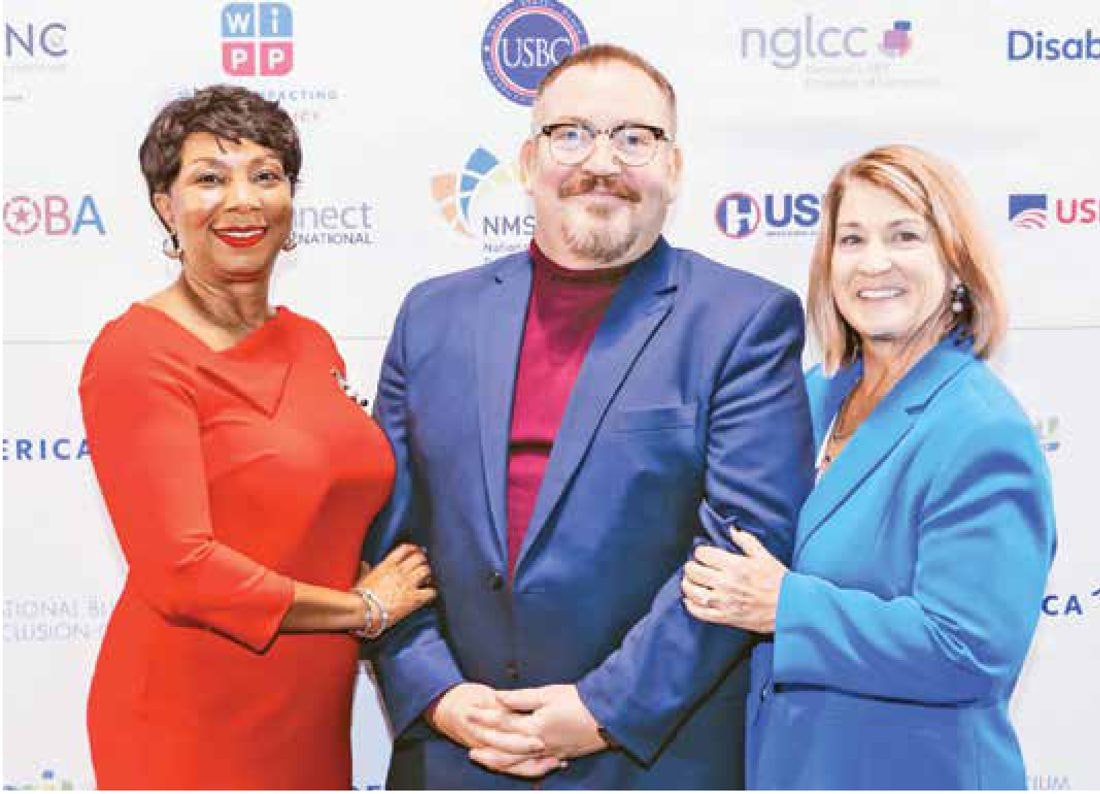
Prince-Eason, who served as President and CEO of the Women's Business Enterprise National Council (WBENC) for more than a decade, passed away in 2024 after a battle with cancer. She was 62.
Her career was defined not by titles, but by the relationships she built and the doors she held open for others. Under her leadership, WBENC grew into the largest certifier of women-owned businesses in the United States, with a network spanning more than 14,000 certified women's business enterprises and hundreds of corporate members.
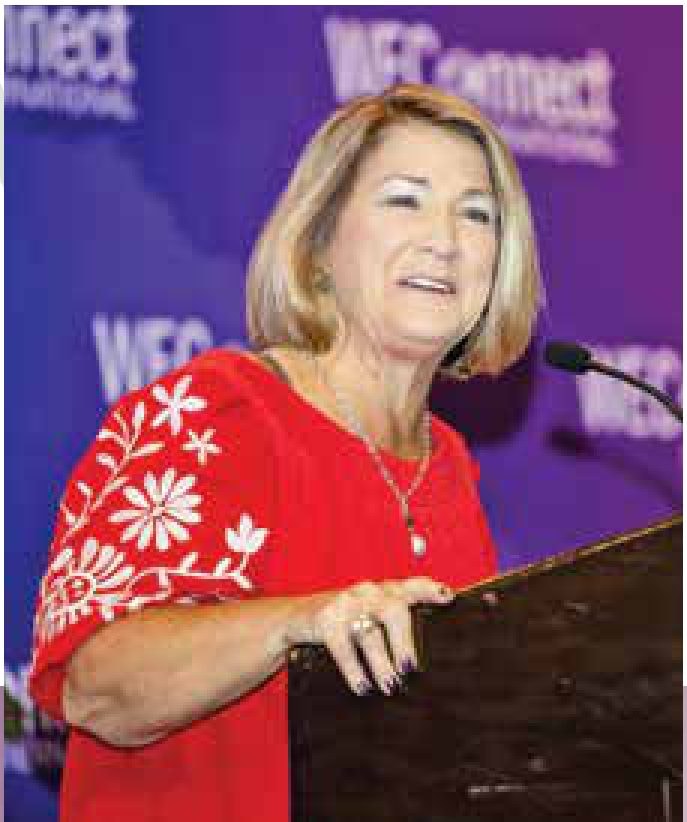
"Pamela had a gift for making every person in the room feel like the most important person in the room," said Angela Dingle, President and CEO of Ex Nihilo Management and a longtime colleague. "She led with grace, with purpose, and with an unwavering belief that women-owned businesses deserved a seat at every table."
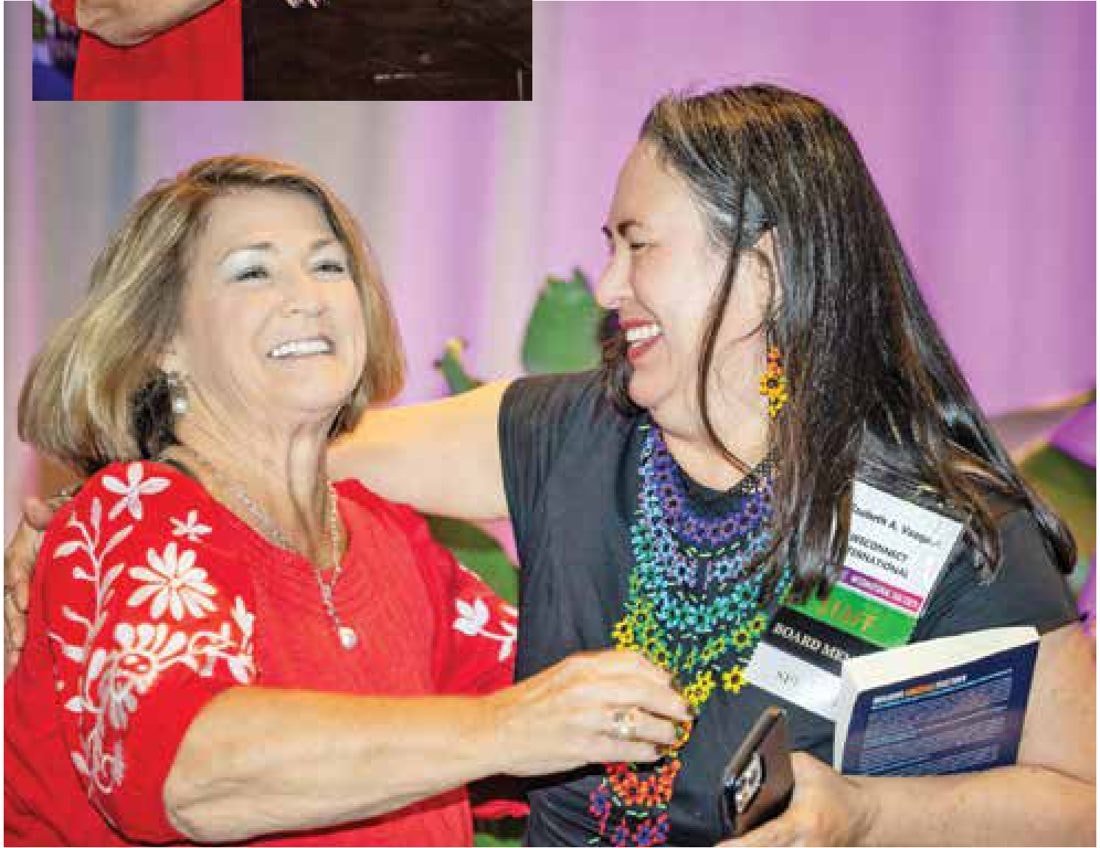
Prince-Eason joined WBENC in 2011 after a distinguished career in supplier diversity at Pitney Bowes, where she was recognized as one of the leading practitioners in the field. She brought that corporate perspective to the nonprofit world and used it to build bridges between women entrepreneurs and the Fortune 500 companies that could become their customers.
Justin Nelson, co-founder and President of the National LGBTQ+ Chamber of Commerce (NGLCC), remembered Prince-Eason as a true ally and a force for inclusion across communities.
"Pamela understood that supplier diversity was not a zero-sum game. She championed women-owned businesses while also lifting up LGBTQ+ businesses, minority-owned businesses, veteran-owned businesses. She believed that when one community rises, we all rise." — Justin Nelson
Her influence extended well beyond WBENC. She served on numerous boards and advisory councils, mentored hundreds of women business owners, and was a fixture at supplier diversity conferences across the country — always accessible, always generous with her time and expertise.
The tributes that poured in after her passing painted a consistent picture: a leader who never forgot where she came from, who measured success not by her own advancement but by how many others she had helped advance.
"She changed the trajectory of my business," said one certified WBE owner who asked not to be named. "I met her at a conference ten years ago, and she took twenty minutes to talk to me — really talk to me — about what I needed to do to get in front of the right buyers. I got my first Fortune 500 contract the following year. I think about her every time I sign a new one."
Prince-Eason is survived by her husband and two children. A memorial fund has been established in her name at WBENC to support the next generation of women business leaders.
The supplier diversity community she served so faithfully is smaller without her. But the work she did — the certifications granted, the contracts won, the careers launched — will continue to compound for decades to come.

"That is her legacy," Dingle said. "Not a plaque on a wall. The businesses that are still standing because she believed in them."